 Credit: Lucas Gouveia / Android Police
 By
Rajesh Pandey
Published 12 hours ago
Rajesh started following the latest happenings in the world of Android around the release of the Nexus One and Samsung Galaxy S. After flashing custom ROMs and kernels on his beloved Galaxy S, he started writing about Android for a living. He uses the latest Samsung or Pixel flagship as his daily driver. And yes, he carries an iPhone as a secondary device. Rajesh has been writing for Android Police since 2021, covering news, how-tos, and features. Based in India, he has previously written for Neowin, AndroidBeat, Times of India, iPhoneHacks, MySmartPrice, and MakeUseOf. When not working, you will find him mindlessly scrolling through X, playing with new AI models, or going on long road trips. You can reach out to him on Twitter or drop a mail at [email protected].
Sign in to your Android Police account
Add Us On
Summary
Generate a summary of this story
follow
Follow
followed
Followed
Like
Like
Thread
Log in
Here is a fact-based summary of the story contents:
Try something different:
Show me the facts
Explain it like I’m 5
Give me a lighthearted recap
By
Rajesh Pandey
Published 12 hours ago
Rajesh started following the latest happenings in the world of Android around the release of the Nexus One and Samsung Galaxy S. After flashing custom ROMs and kernels on his beloved Galaxy S, he started writing about Android for a living. He uses the latest Samsung or Pixel flagship as his daily driver. And yes, he carries an iPhone as a secondary device. Rajesh has been writing for Android Police since 2021, covering news, how-tos, and features. Based in India, he has previously written for Neowin, AndroidBeat, Times of India, iPhoneHacks, MySmartPrice, and MakeUseOf. When not working, you will find him mindlessly scrolling through X, playing with new AI models, or going on long road trips. You can reach out to him on Twitter or drop a mail at [email protected].
Sign in to your Android Police account
Add Us On
Summary
Generate a summary of this story
follow
Follow
followed
Followed
Like
Like
Thread
Log in
Here is a fact-based summary of the story contents:
Try something different:
Show me the facts
Explain it like I’m 5
Give me a lighthearted recap
For everything that Samsung got right in 2025, it also got a surprising amount wrong.
At times, it felt like the company took two steps forward and one step back with its overall strategy this year.
It made meaningful improvements in some aspects, but committed major strategic blunders in others.
If anything, 2025 once again showed that while Samsung might be the world's biggest smartphone maker, it still struggles to learn from its own mistakes.
 Related
Enough! I don't care about the Galaxy S26 Ultra anymore
Related
Enough! I don't care about the Galaxy S26 Ultra anymore
The Samsung Galaxy S26 Ultra's leaks have become a circus, and not in a good way
Posts 11 By Mark JansenIgnoring the obvious problems
The basics still lag behind rivals

For the last few generations, Samsung's flagship devices have been constantly criticized for their relatively slow charging speeds and average camera performance.
Yet, the company made no effort to address these problems this year.
The Galaxy S25 Ultra and its smaller siblings still only support 45W or 25W wired charging speed, with wireless charging topping out at a paltry 15W.
Both figures lag well behind what the competition now offers.
The same story played out with the cameras.
None of Samsung's premium Galaxy phones launched this year featured an impressive camera upgrade.
Instead, the company largely reused the same hardware from its 2024 flagships, with only minor tweaks.
Even the Galaxy Z Fold 7's jump to a 200MP primary camera failed to deliver any meaningful improvement in real-world image quality.
Slow charging speeds and subpar camera performance have been major complaints from Galaxy owners in recent years.
So, it was disappointing to see Samsung ignore these problems again in 2025. If anything, it felt like a major strategic misstep from the company.
Slow to embrace new tech
Missing the Qi2 and silicon-carbon battery train
 Credit: Lucas Gouveia / Android Police | Framesira / Shutterstock
Samsung was once known for being among the first to adopt cutting-edge tech in its devices.
Sadly, that has not been the case in recent years, and the company did little to change that in 2025.
Barring the sleek Galaxy Z Fold 7, none of Samsung's device launches this year felt like an attempt to truly raise the bar.
And even then, the Z Fold 7 only stood out for its slim and light chassis and durability improvements.
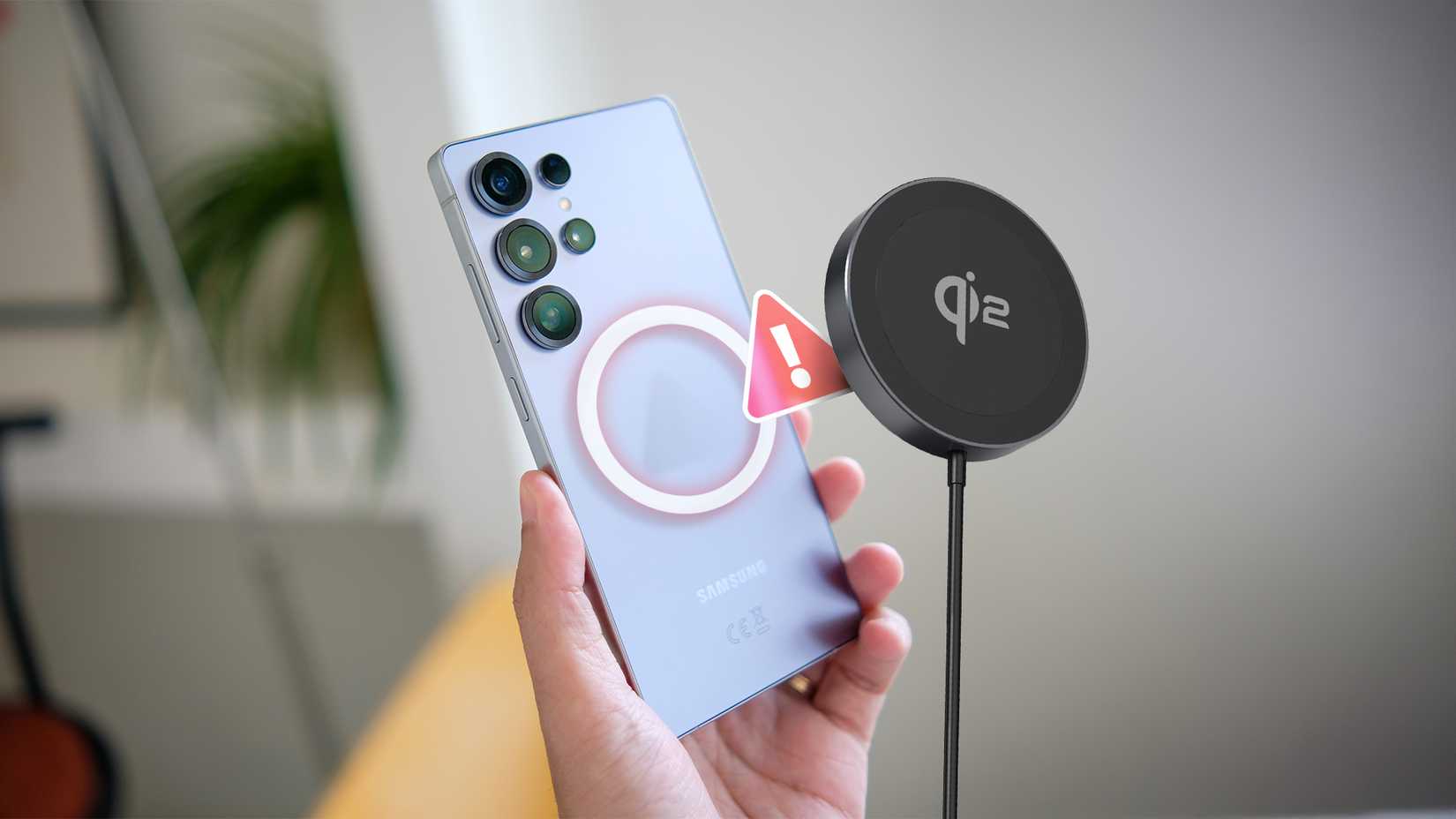
Samsung failed to ship a single phone with native Qi2 support this year.
Instead, it pushed "Qi2 Ready" cases for the S25 and Z Fold 7, adding magnets to the case rather than integrating them into the phone.
The Wireless Power Consortium (WPC) finalized the Qi2 standard over a year ago, and Samsung should have at least adopted the tech in its 2025 foldable lineup.
Similarly, despite silicon-carbon batteries offering significantly higher energy density than traditional lithium-ion cells, the company did not use this tech in any of its devices this year.
Doing so could have enabled Galaxy phones to pack larger batteries and deliver longer battery life without a corresponding increase in thickness.
Too few phones are worth caring about
Only two flagships shone
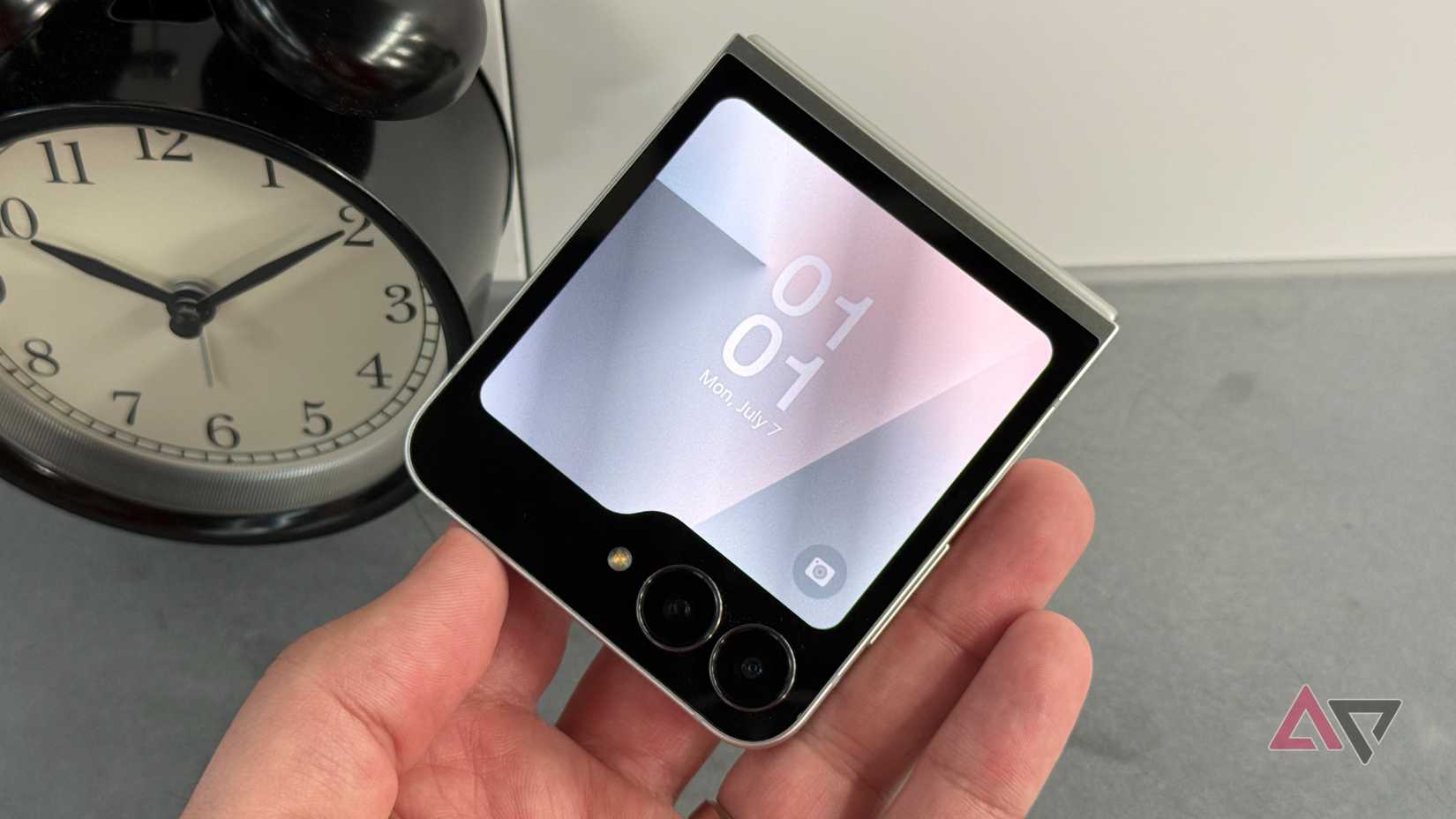
Outside the Galaxy S25 and Z Fold 7, Samsung didn't deliver a single standout device this year.
The Galaxy Z Flip 7 FE was the company's attempt to offer a more affordable flip-style foldable. That experiment fell flat, with the device all but forgotten within weeks of its release.
Even the Galaxy Z Flip 7 packed only a handful of upgrades, making it feel like an iterative refresh.
That's despite other flip foldables launching with improved cameras, bigger batteries, and other aggressive hardware improvements.
Similarly, Samsung launched the super-slim Galaxy S25 Edge months before the iPhone Air in a bid to capitalize on its imminent hype.
That gamble failed, and the phone supposedly flopped so hard it led Samsung to scrap the Galaxy S26 Edge for next year.
For a company that ships millions of phones every year, ending up with only two truly standout devices across an entire year of launches is disappointing.
If anything, it shows a strategic failure to understand the market and consumer requirements.
No wonder the company will possibly lose its spot as the world's top smartphone maker this year to Apple.
Thanks to the strong demand for the iPhone 17 lineup, iPhones are on track to surpass Galaxy phone shipments in 2025.
Samsung's mid-range problem
Too expensive, too underpowered
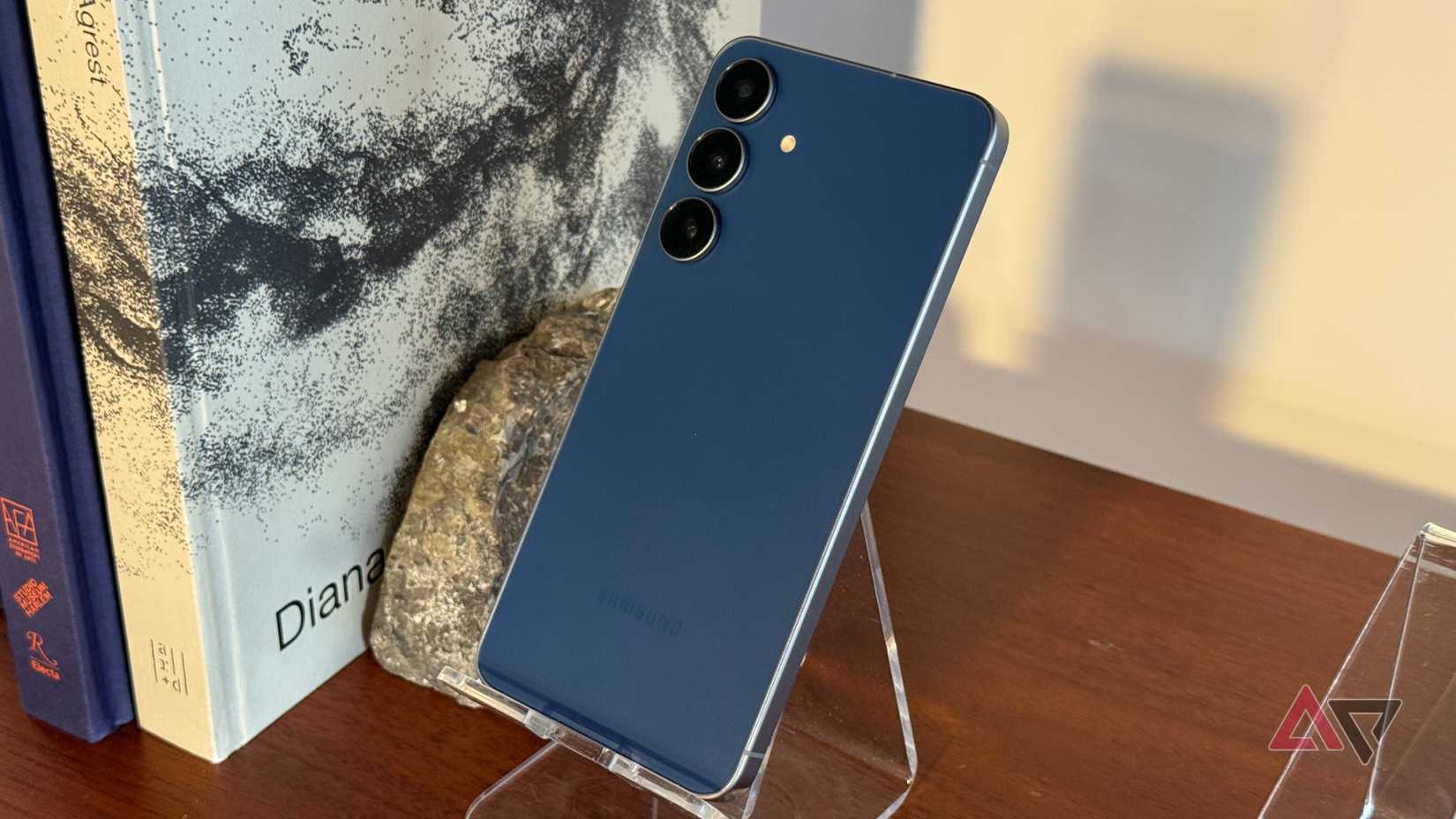
If Samsung played it safe with its flagships, it did not even try with its mid-range devices this year.
The company launched several low-end and mid-range Galaxy devices.
But almost all of them felt like recycled upgrades, suffering from the same problems as their predecessors: high price, outdated specs, and little value for money.
There was almost no compelling reason for consumers to buy a mid-range Galaxy device over a Xiaomi, Poco, Motorola, or Nothing.
Almost all of them offered better specs and features than Samsung's offering at a considerably lower price.
The Galaxy S25 FE could have been a great "flagship killer" if Samsung actually tried. Instead, it ended up being a rebranded S24 FE with some modest upgrades.
Samsung needs to try harder next year
Samsung launched "good enough" phones in 2025. While that approach worked a few years ago, it no longer works in this day and age.
The company needs to step up and launch devices with bigger batteries, better hardware, and other meaningful upgrades.
It also needs to rethink its mid-range Galaxy strategy, as the current phones feel woefully underpowered and overpriced for what they offer.
-
 Phones
 Samsung's Galaxy S26 Ultra may come with a crucial visual change
 I used the Moto G Stylus 2025 and Samsung Galaxy A36, and only one felt like a $400 win
The Samsung Galaxy S26 launch date has leaked, and it's not great news
I used the Moto G Stylus 2025 and Samsung Galaxy A36, and only one felt like a $400 win
The Samsung Galaxy S26 launch date has leaked, and it's not great news

