Chancellor Rachel Reeves insists she is in control of the economy despite fears about rising household bills
6th Mar 20260 444 2 minutes read Myra Butterworth
Just when you thought that the cost of living crisis was over, households face a financially crippling cocktail of rising mortgage and energy costs.
This bleak outlook is a result of the situation in Iran, which has led to a sharp increase in the cost of oil and gas.
These dark shadows are sweeping across British households despite the Chancellor’s best efforts to insist in her Spring Forecast this week that she is in control of a ‘growing’ economy.
During her speech in the Commons on Tuesday, she even went as far to suggest that “by the next Election, after accounting for inflation, people are forecast to be £1,000 a year better off”.
Yet she has failed to reduce inflation to the 2% target and the sharp rise in energy costs this week have reduced the likelihood of an interest rate cut in the immediate future.
If this situation remains, it will feed through to mortgage rates, which will remain higher than expected.
Rising unemployment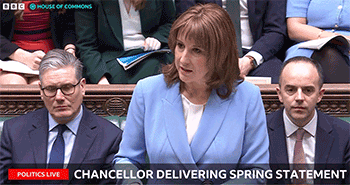 Households are facing these rising costs at a time when unemployment is rising as businesses struggle to adjust to an increase in employer national insurance contributions.
So where does the Chancellor’s speech this week and the situation in Iran leave households and the property market?
Prior to this week, markets had been looking towards interest rate cuts. This would have fed through to cheaper mortgage rates and more disposable income for families.
But the war has blocked some of the main shipping routes to transport energy to the UK, resulting in higher energy costs.
Sharp squeeze on incomesIt means households are facing a sharp squeeze on their incomes once again. Energy costs had previously risen sharply on Putin’s invasion of Ukraine and had only just begun to ease for many households.
At the same time, the impact of the Chancellor’s decision to increase employer national insurance contributions continues to pile pressure on businesses.
Rising unemployment, as well as mortgage and energy bill pressures may simply be too much for some households to carry. Sadly, some families may decide – or be forced – to sell their homes if they can no longer afford to run them.
For the property market, it means the pendulum that had already swung towards a buyers’ market will swing even further in that direction. There may soon be many more homes on the market than the buyers able to afford to buy them.
Tagsmortgages Rachel Reeves Spring Statement 2026 6th Mar 20260 444 2 minutes read Myra Butterworth Share Facebook X LinkedIn Share via Email