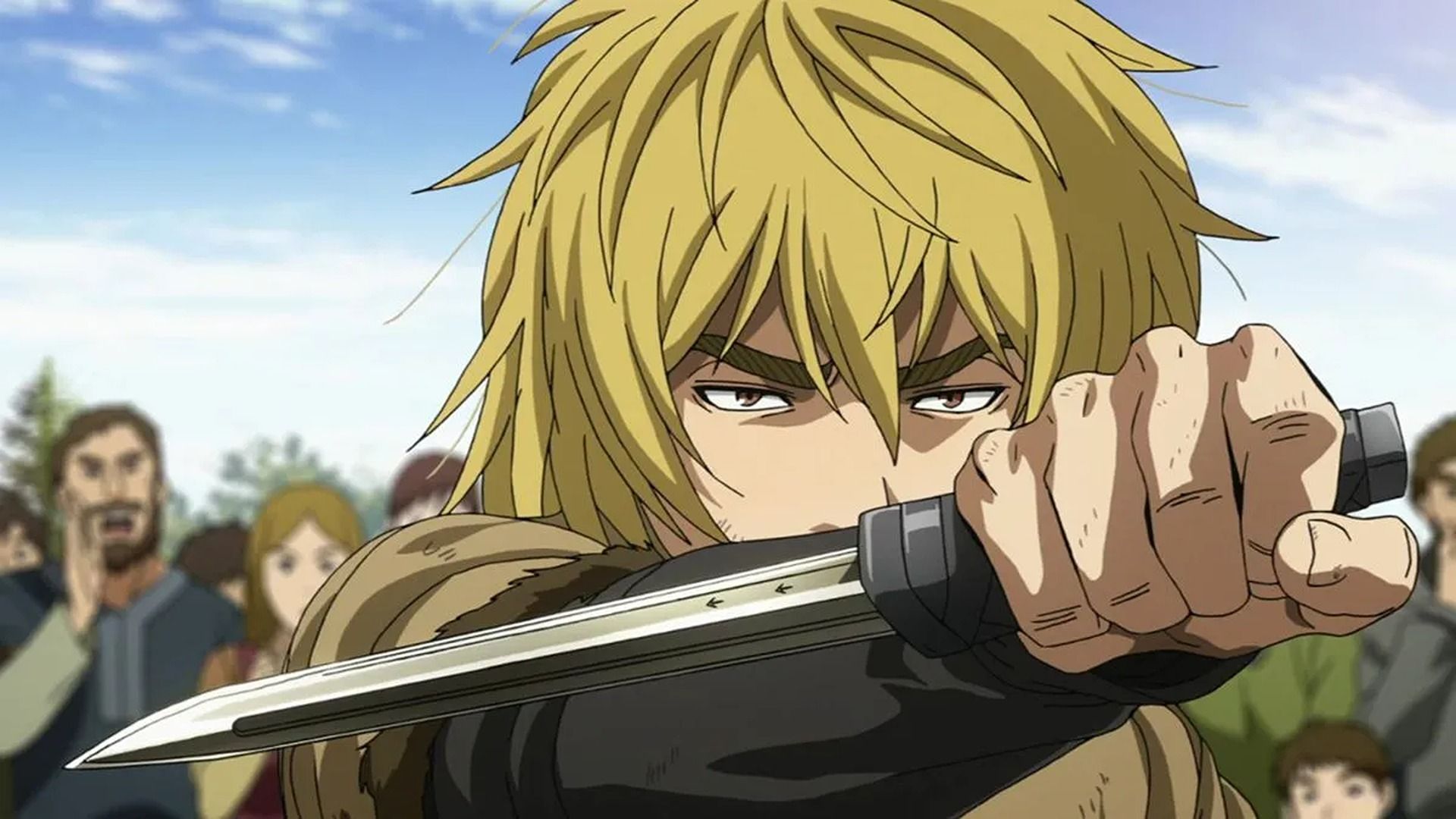
 Thorfinn holding his dagger.
 By
Emedo Ashibeze
Published Mar 6, 2026, 9:30 PM EST
Emedo Ashibeze is a tenured journalist and critic specializing in the entertainment industry. Before joining ScreenRant in 2025. he wrote for several major publications, including GameRant.
Sign in to your ScreenRant account
Add Us On
follow
Follow
followed
Followed
Like
Like
Thread
Log in
Here is a fact-based summary of the story contents:
Try something different:
Show me the facts
Explain it like I’m 5
Give me a lighthearted recap
By
Emedo Ashibeze
Published Mar 6, 2026, 9:30 PM EST
Emedo Ashibeze is a tenured journalist and critic specializing in the entertainment industry. Before joining ScreenRant in 2025. he wrote for several major publications, including GameRant.
Sign in to your ScreenRant account
Add Us On
follow
Follow
followed
Followed
Like
Like
Thread
Log in
Here is a fact-based summary of the story contents:
Try something different:
Show me the facts
Explain it like I’m 5
Give me a lighthearted recap
In anime, the line between heroism and villainy is rarely drawn with a steady hand. Most compelling series present unconventional moral dilemmas for both their characters and the audience. The decisions made by some protagonists do not always align with what viewers might consider right, leaving fans unexpectedly rooting for those standing on the wrong side of justice.
Truth is, most anime villains are rarely evil for the sake of it. They are complex, articulate, and driven by motivations that feel alarmingly relatable. While their methods may be extreme, viewers still understand their origins, and even the most immoral antagonists can win viewers over with a charismatic disposition, making their villainy seem like a necessary mission for humanity.
As a result, fans are drawn to the darker side of these stories, hoping their favourite villain comes out victorious. Whether through reasonable motives or attractive characterisation, these series offer antagonists too understandable to hate. Thus, this selection highlights ten anime series that masterfully execute the ultimate narrative gamble, making fans actively hope the “bad guy” comes out on top.
10 Dorohedoro
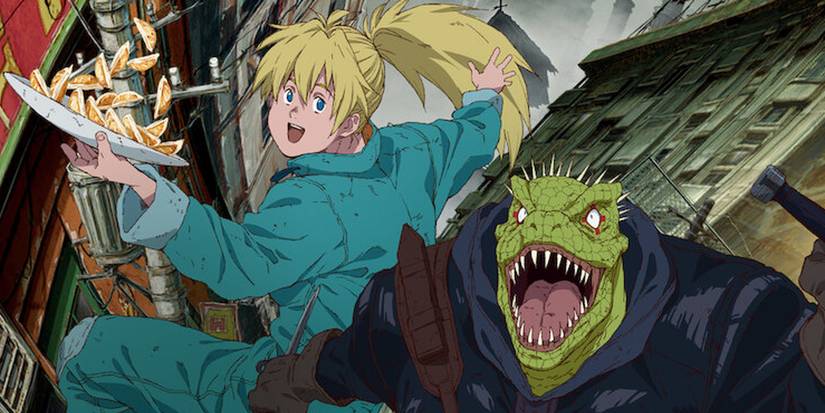 Caiman and Nikaido in Dorohedoro
In the psychedelic world of Dorohedoro, the power system is governed by a unique biological mechanism involving a type of “smoke” produced within a sorcerer’s body. This smoke allows magic users to alter reality, turning human victims into horrific chimeras within the urban wasteland called “The Hole.” The series thrives on this raw body horror, blending dark fantasy with absurdity.
The primary antagonists, the En Family, are led by the fungus-obsessed sorcerer En, who rules the magic world through strength and sheer lethality. Despite their murderous tendencies, fans often root for this group because they are a loyal and surprisingly wholesome surrogate family. The genuine affection between them frequently makes the family more likable than the traditional heroes.
The antagonists are relatable because the series refuses to treat them as one-dimensional. Although they commit terrible acts of violence, their world's rules suggest that survival is the only true moral compass. By focusing on their mundane domestic lives alongside their brutal magical battles, Dorohedoro creates a captivating paradox where the villains emerge as the most relatable characters.
9 The Rising of the Shield Hero
 Key art for The Rising of the Shield Hero.
The series features a unique levelling system centred on legendary weapons that evolve by absorbing materials, granting Naofumi specialised defensive abilities. This technological advancement forces the protagonist to devise tactical solutions as he navigates a fantasy world designed to put his class at a disadvantage. The power scaling remains consistent, ensuring that every strategic victory feels earned through hardwork.
The primary human antagonist, Princess Malty, skillfully exploits the kingdom’s social structure to frame Naofumi and systematically strip him of his reputation. Malty’s villainy is rooted in systemic manipulation and strength, making her an exceptionally hated character among the global fan community. By leveraging the legal and religious structures, Malty poses a psychological threat that physical attributes cannot easily counter.
This dynamic creates a captivating loop where the Shield Hero must overcome political sabotage to survive the waves of monsters. Fans often find themselves supporting Naofumi’s darker and more pragmatic choices as a response to the cruelty of the ruling class. The interplay between rigid RPG mechanics and unfair social biases makes the eventual revenge against these antagonists more satisfying.
8 Gankutsuou: The Count of Monte Cristo
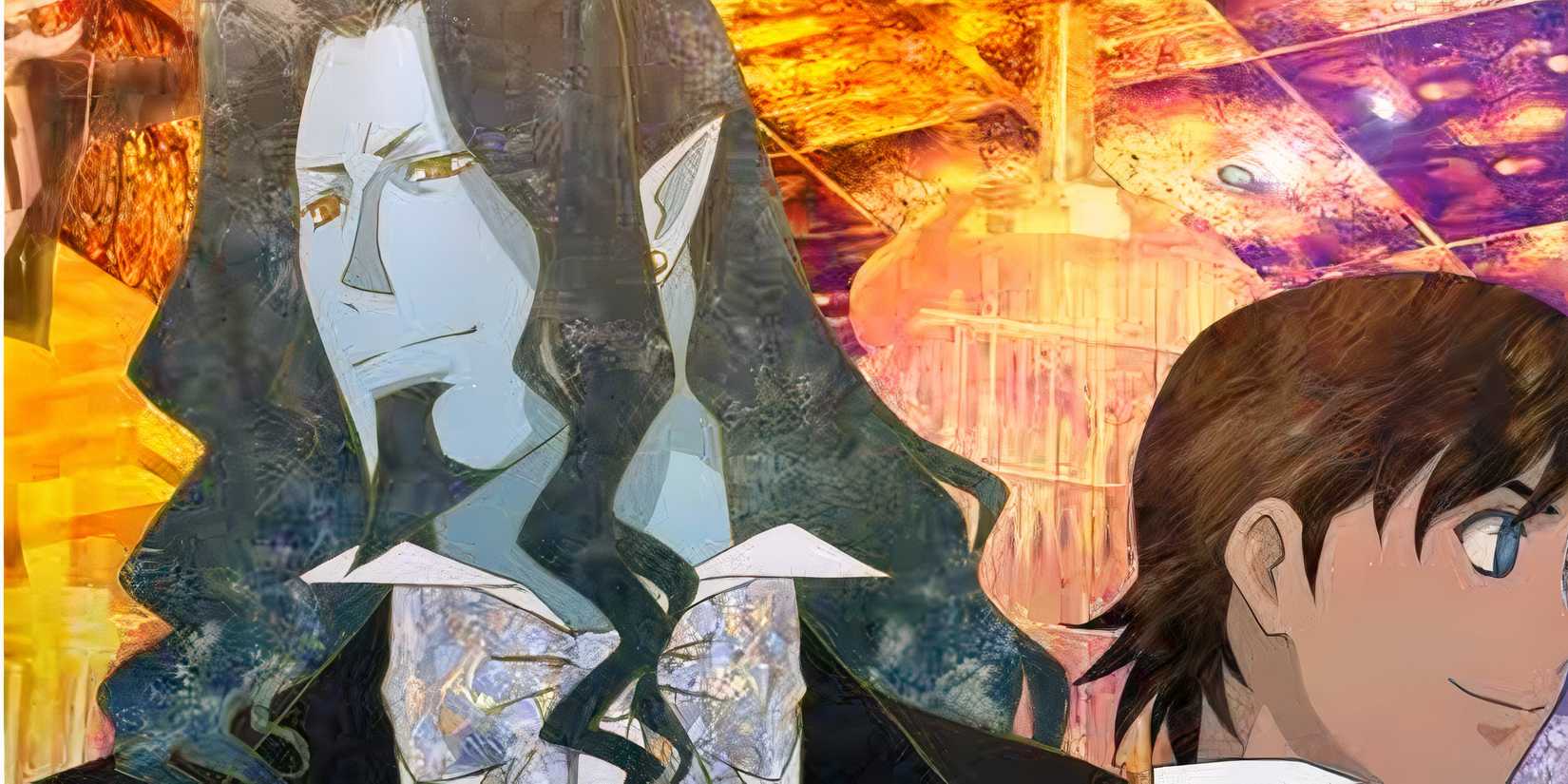
Gankutsuou: The Count of Monte Cristo reimagines the classic tale through a futuristic perspective, blending aristocratic drama with elements of science fiction. Set in a luxurious interplanetary society, the series follows as Albert de Morcerf becomes involved with the enigmatic Count of Monte Cristo. Beneath the lavish visuals lies a carefully crafted narrative of revenge driven by long-buried betrayal.
The anime’s most striking feature is its stylised presentation, which layers patterns and vibrant colour palettes over static character designs, creating a sense of unease. This artificial beauty reflects the Count himself, whose charm conceals cruelty. Rather than acting on impulse, his quest for revenge unfolds through patience, social manipulation, and the psychological dismantling of those who once destroyed him.
In contrast to typical antagonists, the Count operates within the upper echelons of society, weaponising his status and knowledge instead of brute force. The series builds its tension around a sense of inevitability, as each strategic move tightens the trap around his targets. By aligning viewers with Albert’s slow realisation, Gankutsuou redefines revenge as a destructive obsession that consumes everything.
7 Black Lagoon
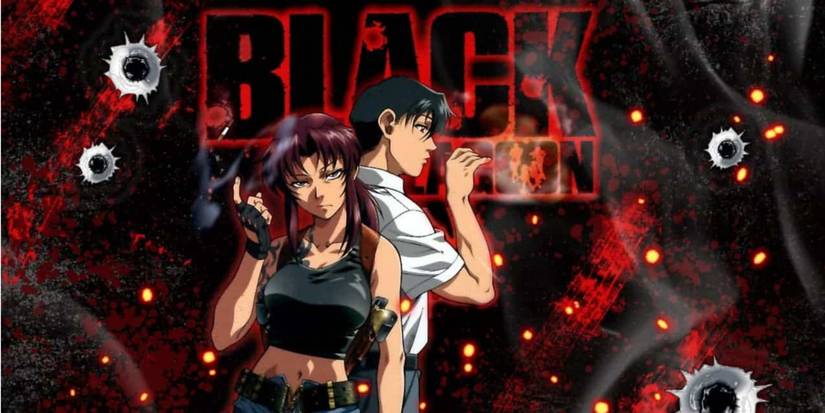 Black Lagoon anime key art with Revy and Rock standing back-to-back.
Black Lagoon is a high-octane crime thriller that depicts the grim reality of mercenary life, set in the lawless underworld of Roanapur. The series follows the Lagoon Company, a group of maritime smugglers who navigate a world defined by international cartels. Here, morality is a luxury that few can afford, as characters must constantly trade their humanity for survival.
The series is anchored by Revy, a gunslinger whose traumatic past has left her with a cynical, “bad guy” worldview. Fans are drawn to her because she represents an unfiltered rejection of societal hypocrisy and the “polite” lies of civilisation. Her ferocity and expertise with her signature Cutlass pistols make her a terrifying force, with her vulnerability making her relatable.
What makes the audience root for the villains is the series exploration of the “Twilight” state between light and dark. The narrative suggests that in a corrupt system, those who embrace their inner demons are the ones living truthfully. Through explosive action and philosophical dialogue, Black Lagoon compels viewers to find beauty and loyalty among the world’s most dangerous outcasts.
6 Berserk
 Berserk's main cast including Guts, Griffith, and Casca standing on a rock.
In the brutal dark fantasy world of Berserk, Griffith stands as the charismatic commander of the legendary Band of the Hawk. His soldiers viewed him not as a captain, but as a divine figure capable of elevating common mercenaries to the heights of nobility. However, this unwavering loyalty was ultimately exploited by Griffith’s burning ambition to obtain his own kingdom.
The narrative shifts during the apocalyptic “Eclipse” when a broken Griffith utilises the Crimson Behelit to transcend his failing human form. By sacrificing his army to the demonic God Hand, Griffith orchestrated a mass slaughter of his closest friends to achieve godhood. Reborn as the being Femto, Griffith traded his humanity for absolute power, proving the excesses of his ambition.
Griffith remains a polarising figure because his betrayal stems from a mix of shattered ego and ambition. While he viewed his soldiers as tools, the narrative suggests Guts was the only person who made him forget his dream, making the sacrifice an act of spite. Fans perpetually debate whether he is a pure sociopath or a man who sacrificed his heart.
5 Psycho-Pass
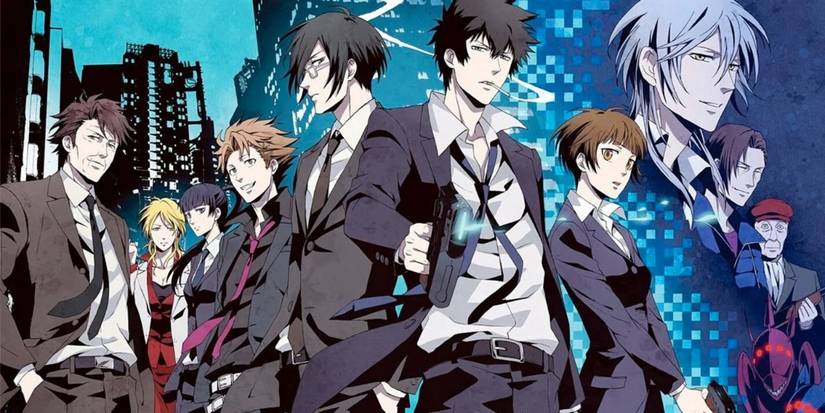 The main cast of Psycho-Pass lined up in key art.
The 2012 cyberpunk thriller Psycho-Pass presents a haunting dystopian future governed by the omniscient, oppressive Sibyl System. This biological computer network monitors the mental state of every citizen to predict and preemptively punish potential criminal actions. In this rigid society, individuals labelled as “latent criminals” are systematically hunted, thereby effectively depriving individuals of their fundamental freedom.
Shogo Makishima emerges as the ultimate partisan antagonist, driven by a fierce desire to liberate humanity from this tyrannical digital judgment. He finds the regime’s suppression of freewill repulsive, arguing that true human virtue cannot exist without the freedom to choose. His intellectual rebellion resonates with viewers because his core objective, restoring human agency, feels both emotionally and morally justified.
While his methods involve violence, Makishima remains uniquely dangerous because he operates entirely beneath the Sibyl System’s radar. He utilizes his “criminally asymptomatic” status to orchestrate chaos, forcing the audience to grapple with the terrifying cost of revolution. Ultimately, Makishima receives fan support not because of his grand ideals but because of his undeniably compelling outlook.
4 Monster
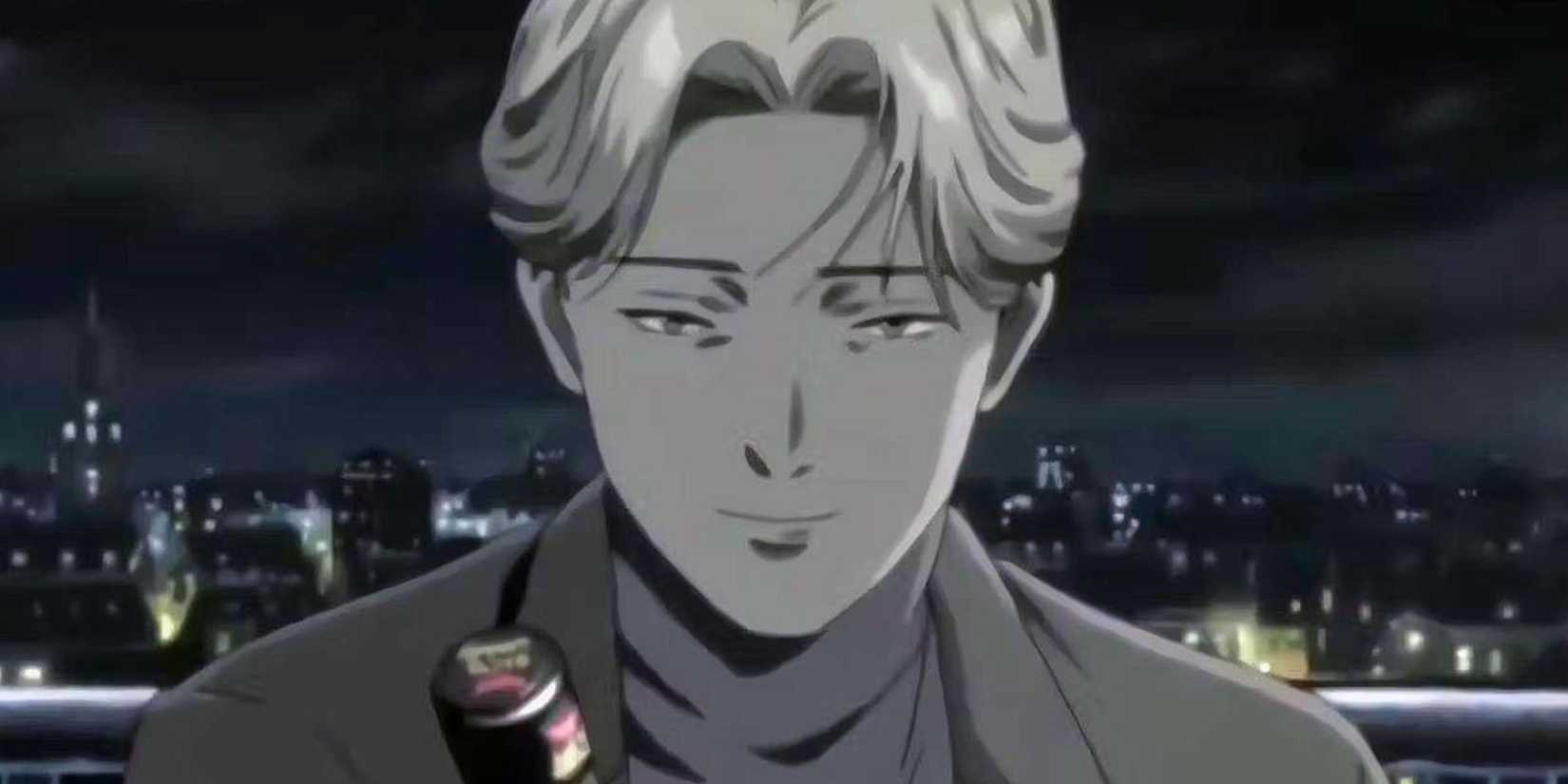
Set across post-Cold War Germany, Monster is a psychological thriller that replaces traditional shonen spectacle with patient, atmospheric dread. The story follows Dr. Kenzo Tenma, a brilliant surgeon whose decision to save a young boy’s life inadvertently unleashes a literal monster upon the world. That child, Johan, evolves into a calculated, enigmatic killer who serves as the narrative’s moral collapse.
Unlike conventional shonen antagonists, Johan rarely commits violence, preferring to use the terrifying power of suggestion to dismantle his victims. The series demonstrates how his precision with words can drive even the most stable individuals toward madness. By focusing on the effects of his influence, the show transforms Johan into an almost mythic presence, destabilizing society without raising his voice.
What the fans find intriguing is Johan’s calm demeanor and a philosophical detachment that makes him feel less than human. He skillfully exposes the fragility of the human psyche, forcing viewers to face the uncomfortable reality of pure nihilism. Through its deliberate pacing and meticulous character studies, Monster forces fans to watch this dark evolution unfold with a disturbing closeness.
3 Vinland Saga
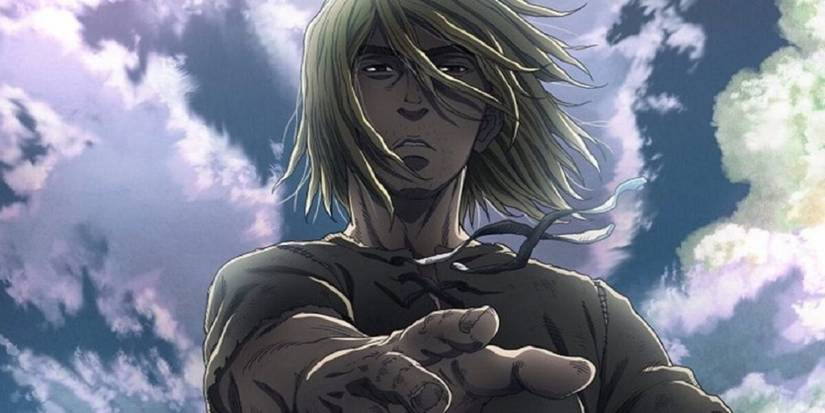 Vinland-Saga-Season-2
Vinland Saga distinguishes itself from traditional battle anime by grounding its violence in historical realism and political instability. Taking place during the early 11th-century Viking invasion of England, the series retains high-octane elements by portraying legendary warriors with near-human capabilities. At the heart of this chaos is Askeladd, a mercenary leader whose cunning intellect makes him far more dangerous.
Subscribe to the newsletter for deeper anime-villain analysis
Want more breakdowns on why anime villains win our hearts? Subscribe to the newsletter for in-depth, character-focused analyses, narrative and psychological reads that explore moral gray areas and what makes antagonists compelling. Get Updates By subscribing, you agree to receive newsletter and marketing emails, and accept our Terms of Use and Privacy Policy. You can unsubscribe anytime.Unlike typical antagonists, Askeladd functions as both a manipulator and reluctant guardian, particularly in his relationship with Thorfinn. The series thrives on strategy rather than power escalation, presenting conflicts as psychological battles influenced by ambition and the survival instinct. Through dialogue and moral ambiguity, Vinland Saga positions Askeladd not as a villain, but as a necessary product of his era.
What makes viewers root for Askellad is not morality, but rather his competence and charisma. Every calculated betrayal and battlefield decision contributes to a political agenda that uncovers unexpected complexity. By the time his true motivations surface, the series reframes him from a self-serving pirate to a tragic architect of change, proving that charisma can be as powerful as heroism.
2 Code Geass: Lelouch of the Rebellion
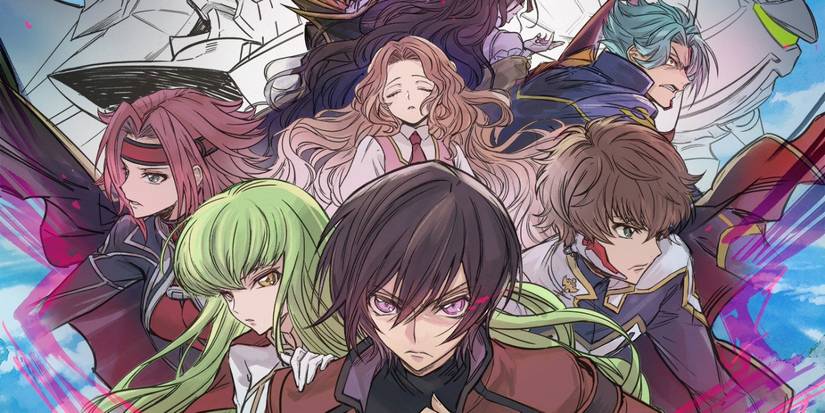 Code Geass Lelouch of the Rebellion, Featuring a Posing Lelouch and Others in front of a blue sky background
Released in 2006, Code Geass is a science-fiction mecha thriller that boldly introduces its protagonist as both liberator and villain. The series follows exiled prince Lelouch Lamperouge after he gains the Geass, a supernatural power of absolute obedience. Armed with this power, he launches a massive rebellion against the Holy Britannian Empire under the masked, revolutionary identity of Zero.
What sets the anime apart from typical revolution narratives is its complex political scheming and moral ambiguity. Lelouch’s mission to liberate Japan is fueled by revenge and a fierce desire to protect his sister, Nunnally. But Lelouch’s methods are undeniably ruthless; he manipulates allies and approaches warfare like a chessboard where the ultimate end always justifies his cold, pragmatic means.
The brilliance of Code Geass is evident in its ability to make strategic tactics thrilling to watch. Lelouch’s intelligence, flair, and incisive dialogue transform acts bordering on war crimes into a calculated spectacle. By positioning Lelouch as both mastermind and emotional core, the series convinces viewers to support a revolutionary who acts exactly like the tyrant he seeks to overthrow.
1 Death Note
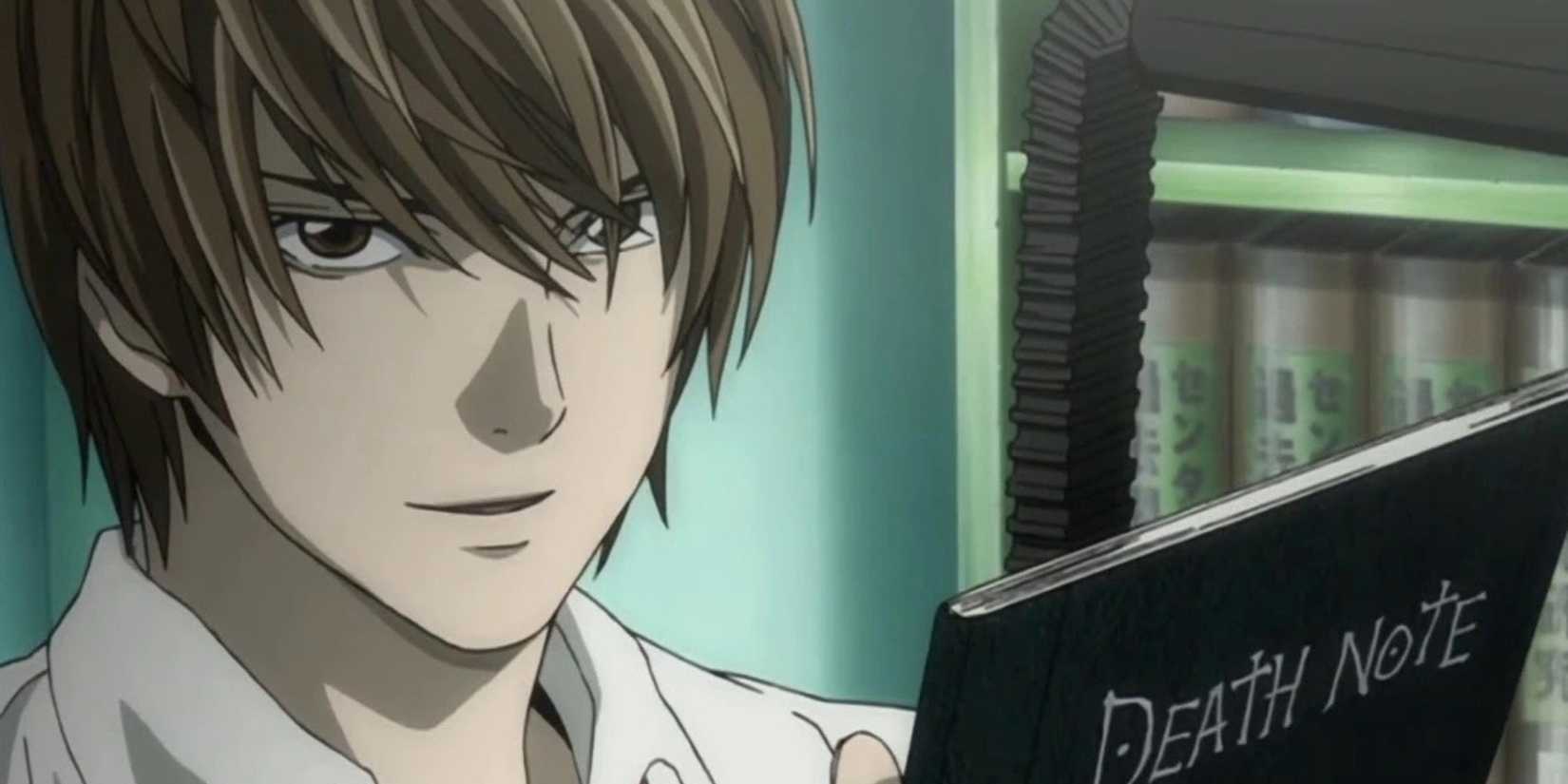
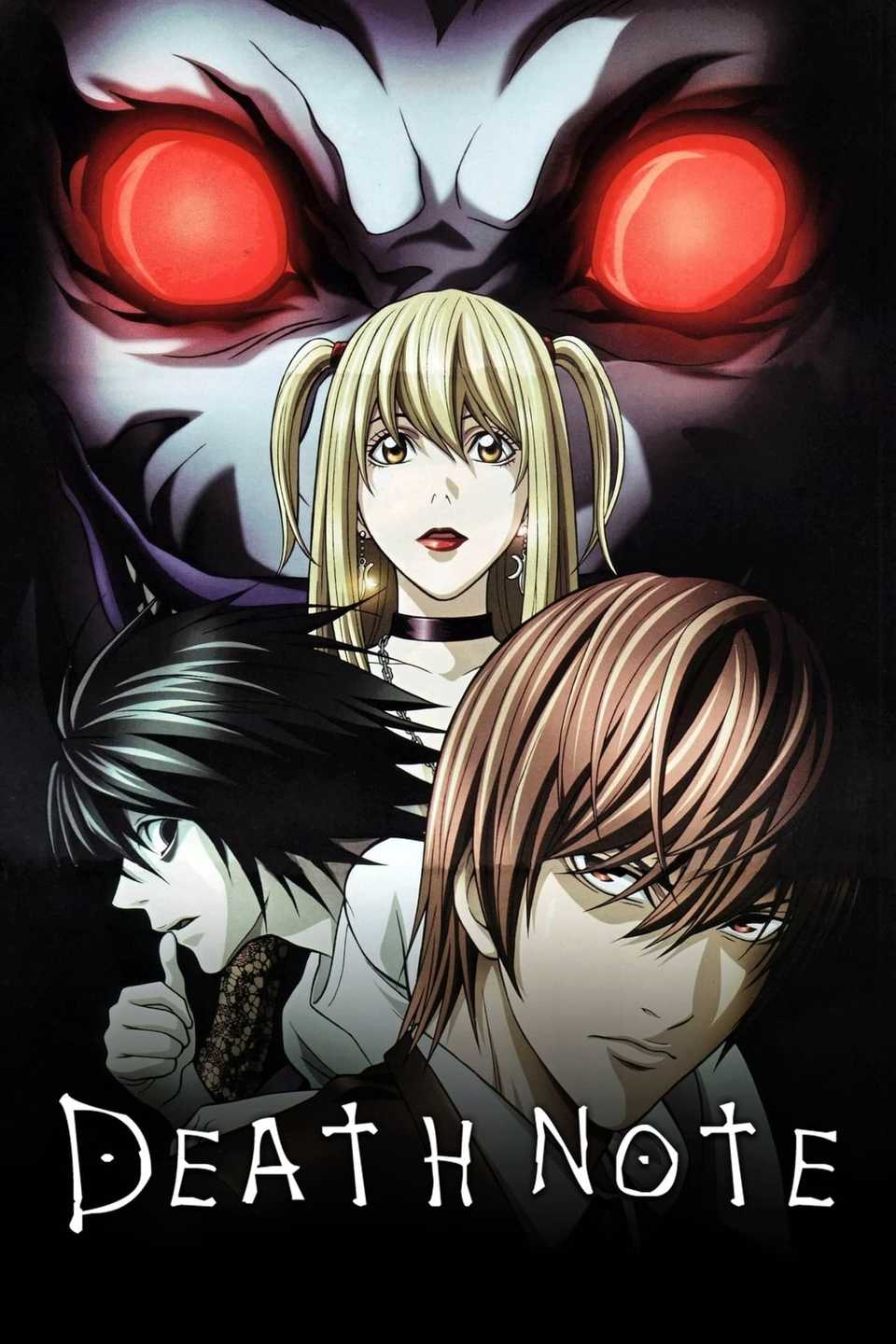
Death Note thrives on psychological tension, and no character embodies that better than Light Yagami. The series follows a high school student who discovers a mysterious notebook dropped by a shinigami, allowing him to kill anyone whose name is written inside. Dissatisfied with the state of the world, Light sets out to eliminate criminals and build “a new world”.
What makes the anime so gripping is its focus on Light’s perspective. By positioning Light at the center of its moral conundrum, Death Note turns a supernatural thriller into a mass-murder on justice. As the death toll rises, the line between saviour and tyrant blurs, yet the series’ tightly paced mind games keep viewers in sync with Light’s ambition.
The introduction of L shifts the narrative into one of anime’s most iconic intellectual rivalries, raising it above a simple conflict. This cat-and-mouse dynamic repositions Light as a calculative protagonist rather than a typical villain. However, once that opposition disappears, Light’s god complex spirals out of control, proving that without L’s resistance, there is nobody capable of stopping him.
Your Rating
close 10 stars 9 stars 8 stars 7 stars 6 stars 5 stars 4 stars 3 stars 2 stars 1 star Rate Now 0/10 Leave a ReviewYour comment has not been saved
Like Follow Followed Death Note TV-14 Animation Crime Drama Psychological 99 9.0/10 Release Date October 4, 2006Cast
-
 Mamoru Miyano
-
Brad Swaile
 Expand
Collapse
Expand
Collapse
-
 Anime
Anime
 Netflix's 4-Part Sci-Fi Series Is So Good, You Can Start From Any Episode
 10 Greatest Animated Movie Masterpieces of the 21st Century, Ranked
 10 Best Anime You Can’t Stream Anywhere in 2026