
- Home
- Personal Finance
- Banking
- Savings
A phase-based approach tied to your finances — not your birth year — can help you build wealth whether you’re just starting out or catching up.
 By
Paige Cerulli
published
28 February 2026
in Guides
By
Paige Cerulli
published
28 February 2026
in Guides
When you purchase through links on our site, we may earn an affiliate commission. Here’s how it works.
Jump to category:- Stability: Build your financial foundation
- Growth: Increase savings and start investing seriously
- Optimization: Make your money work harder
- Preservation and income: Protect and use your wealth
- You can start in any phase but you can't skip the order
- How to figure out your current phase
- How to move to the next phase faster
- Copy link
- X
Profit and prosper with the best of Kiplinger's advice on investing, taxes, retirement, personal finance and much more. Delivered daily. Enter your email in the box and click Sign Me Up.
Contact me with news and offers from other Future brands Receive email from us on behalf of our trusted partners or sponsors By submitting your information you agree to the Terms & Conditions and Privacy Policy and are aged 16 or over.You are now subscribed
Your newsletter sign-up was successful
Want to add more newsletters?

Delivered daily
Kiplinger Today
Profit and prosper with the best of Kiplinger's advice on investing, taxes, retirement, personal finance and much more delivered daily. Smart money moves start here.
Signup +
Sent five days a week
Kiplinger A Step Ahead
Get practical help to make better financial decisions in your everyday life, from spending to savings on top deals.
Signup +
Delivered daily
Kiplinger Closing Bell
Get today's biggest financial and investing headlines delivered to your inbox every day the U.S. stock market is open.
Signup +
Sent twice a week
Kiplinger Adviser Intel
Financial pros across the country share best practices and fresh tactics to preserve and grow your wealth.
Signup +
Delivered weekly
Kiplinger Tax Tips
Trim your federal and state tax bills with practical tax-planning and tax-cutting strategies.
Signup +
Sent twice a week
Kiplinger Retirement Tips
Your twice-a-week guide to planning and enjoying a financially secure and richly rewarding retirement
Signup +
Sent bimonthly.
Kiplinger Adviser Angle
Insights for advisers, wealth managers and other financial professionals.
Signup +
Sent twice a week
Kiplinger Investing Weekly
Your twice-a-week roundup of promising stocks, funds, companies and industries you should consider, ones you should avoid, and why.
Signup +
Sent weekly for six weeks
Kiplinger Invest for Retirement
Your step-by-step six-part series on how to invest for retirement, from devising a successful strategy to exactly which investments to choose.
Signup + An account already exists for this email address, please log in. Subscribe to our newsletter

It's common to feel like you're behind when it comes to building wealth, especially if you are measuring your progress against traditional age-based milestones. Many people have been taught to follow a set path: start saving for retirement in your twenties, invest a set percentage of your income in your thirties and increase contributions later in life.
In reality, financial lives rarely follow a straight line. Career changes, caregiving responsibilities, divorce, periods of unemployment or simply getting a later start can all shift your timeline. As a result, you may not be where you expected to be for your age.
That does not mean you are behind. It means you are in a different phase. When you focus on your current financial position instead of your birth year, you can build a plan that meets you where you are and helps you move forward at any stage of life.
From just $107.88 $24.99 for Kiplinger Personal Finance
Become a smarter, better informed investor. Subscribe from just $107.88 $24.99, plus get up to 4 Special Issues
CLICK FOR FREE ISSUE
Sign up for Kiplinger’s Free Newsletters
Profit and prosper with the best of expert advice on investing, taxes, retirement, personal finance and more - straight to your e-mail.
Profit and prosper with the best of expert advice - straight to your e-mail.
Sign upThe four phases of building wealth
Rather than focusing on wealth-building phases as defined by your age, this four-phase approach provides a broader overview to help you build wealth based on your progress. It is designed to meet you where you are financially and give you clear next steps, no matter when you start.
Stability: Build your financial foundation
During the stability phase, you focus on building a strong financial foundation that supports every phase that follows. As your finances become more stable, day-to-day stress often becomes easier to manage.
Prioritize these four goals during this stage:
- Build an emergency fund: Open a savings account that you’ll use only for your emergency fund and start building the fund until it includes three to six months of your living expenses. If that’s overwhelming, start with a smaller goal of building up $500 or $1,000 in savings, and then continue to build the fund from there.
- Debt paydown strategy: Work to pay down any existing debts, such as credit card, student loan and car loan debts. Pay off the debts with the highest interest first, then put the money you were paying on that account toward your debt with the next highest interest level.
- Develop consistent income and budgeting: Work to develop a consistent income, whether that’s through traditional employment or freelance work. This is also the time to create a budget and stick to it.
- Start your retirement contributions: Begin contributing to your retirement savings. If you’re employed, this is a great time to take advantage of an employer 401(k) match to maximize your investments.
Use the tool below, powered by Bankrate, to explore and compare some of today's top savings account offers:
Growth: Increase savings and start investing seriously
Once you are financially stable, you can start increasing your savings and shift your focus more toward investing. This phase is about building momentum, growing your assets and making your money work more consistently for you over time.
Focus on these key strategies to strengthen your progress:
- Raise your investment rate: If possible, increase your contributions to 15% or more of your income. This helps accelerate long-term growth and keeps your investments aligned with your financial goals.
- Maximize tax-advantaged accounts: Accounts such as 401(k)s, IRAs and HSAs can lower your tax burden while helping you save for long-term goals. Aim to contribute as much as you can within annual limits to get the most benefit.
- Automate investing: Setting up automatic contributions helps keep your investing consistent and removes the need to make decisions each month. Use tools that regularly transfer funds into your investment accounts so you stay on track.
- Avoid lifestyle inflation: As your income grows, it can be tempting to upgrade your home, car or daily spending. Keep your lifestyle aligned with what your income can comfortably support so you can continue building wealth.
Optimization: Make your money work harder
In the optimization phase, the focus shifts to making your money work more efficiently. With a solid foundation and consistent investing in place, this is the time to refine your strategy and improve.
Focus on these key strategies:
- Implement tax strategies: Explore tax strategies that align with your goals. For example, a traditional IRA offers tax-deductible contributions today but taxable withdrawals later, while a Roth IRA uses after-tax contributions and provides tax-free withdrawals in retirement.
- Asset allocation tuning: Review your portfolio regularly to ensure your investments are aligned with your goals. Adjusting your asset allocation over time can help manage risk while keeping you on track to meet your long-term objectives. For more complex decisions, you may consider working with a financial adviser to refine your approach.
- Real estate or additional income streams: Look for ways to create additional income streams, whether that’s investing in real estate or doing some freelance work on the side.
- Invest in HSA and brokerage accounts: Consider investing in HSA and brokerage accounts. While a traditional HSA helps you save for current medical expenses, pairing it with brokerage accounts can help grow your money long-term.
Preservation and income: Protect and use your wealth
Once you have built a solid level of wealth, the focus shifts to protecting it and using it strategically. This phase is about managing risk, preserving what you have worked to accumulate and creating a plan to support your long-term needs.
Focus on these key priorities:
- Focus on risk management: Work with a financial professional to develop a risk management strategy that fits your needs. This goes beyond your investment portfolio and may include added insurance or other protections to help safeguard your assets and provide peace of mind.
- Develop a retirement income strategy: Identify your expected income sources and plan how they will support a comfortable retirement.
- Withdrawal planning: Determine when and how to withdraw from your investments to support your income needs. A tax professional or financial planner can help you structure withdrawals in a tax-efficient way.
- Review estate planning: Revisit your estate plan to make sure it still reflects your wishes. Update your will and consider any additional steps needed to protect your assets and beneficiaries.
You can start in any phase but you can't skip the order
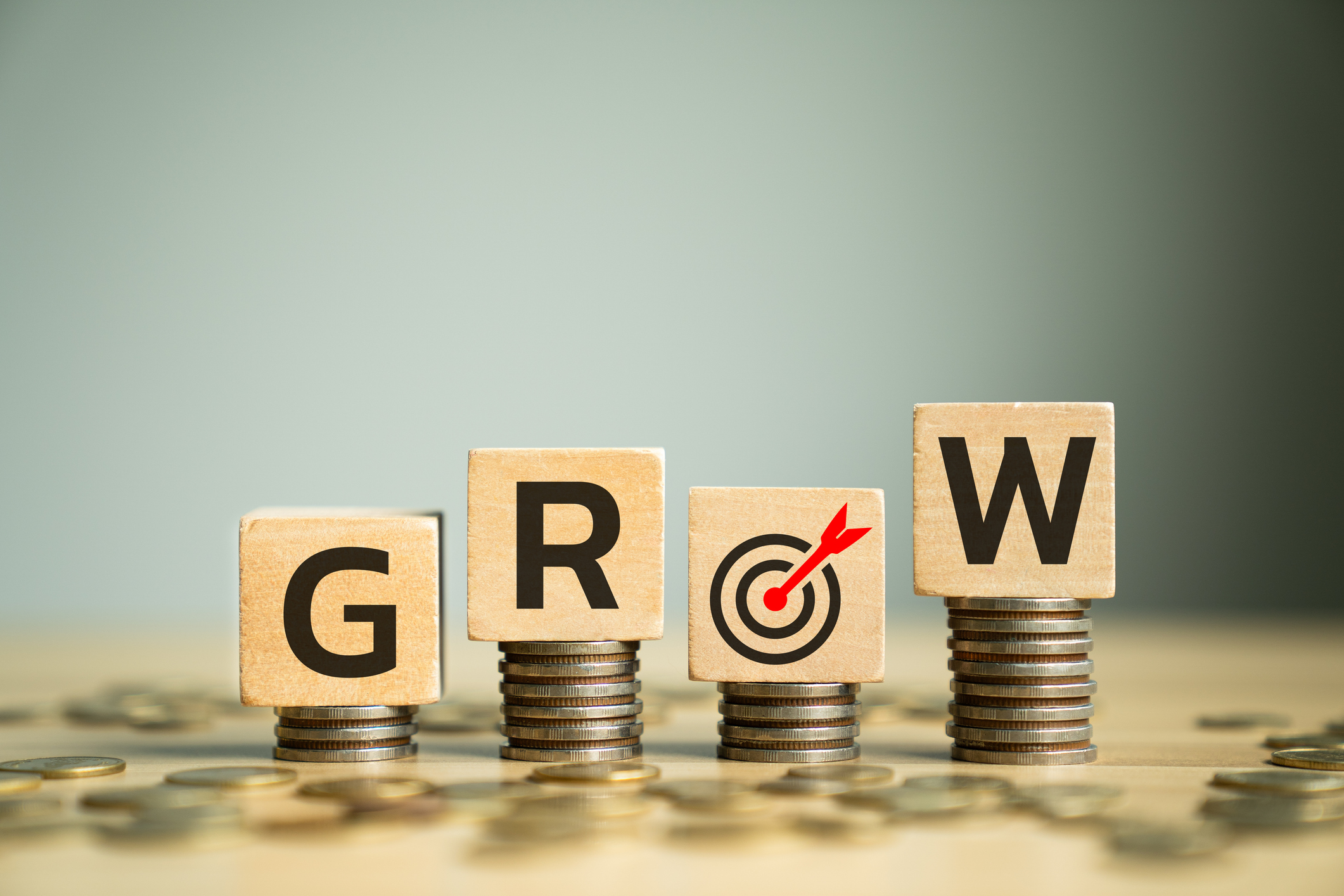
You can begin this process at any phase, but you cannot skip the order. Each phase builds on the one before it, and a strong foundation is essential, no matter when you start.
For example, a high earner with little or no savings still needs to establish financial stability before moving forward. A mid-career saver with a solid financial foundation may be ready to focus on growth and optimization.
If you are nearing retirement, blending the optimization and preservation phases can help you make the most of what you have built.
How to figure out your current phase
To get started, you will need to identify your current phase so you can focus on the right priorities. A quick self-assessment can help you understand where you stand and what to tackle next. Ask yourself these questions:
- Do you have emergency savings? If not, start with the stability phase.
- Are you consistently saving and investing? If so, you may be in the growth phase.
- Are you actively managing taxes and fine-tuning your investments? You are likely in the optimization phase.
- Are you planning how to generate income from your assets? You are in the preservation and income phase.
How to move to the next phase faster
There are several ways to build wealth and move into the next phase more quickly. Increasing your income, whether by negotiating a raise or taking on side work, can accelerate your progress. At the same time, look for opportunities to reduce fixed expenses, such as choosing a less expensive vehicle to lower or eliminate a car payment.
You may also benefit from consolidating and simplifying your bank and investment accounts. This can help reduce fees and give you a clearer view of your overall financial picture. Avoid setbacks that can slow your progress, such as taking on high-interest debt, and stay focused on your long-term goals.
No matter where you start, progress can happen faster than you expect. By focusing on your current phase rather than comparing yourself to age-based milestones, you can take control of your finances and continue building wealth over time.
Related Content
- 3 Reasons to Use a 5-Year CD As You Approach Retirement
- Savings Calculator: If You Saved $5,000 Five Years Ago, Here's What You'd Have Now
- 7 Signs You’re Secretly Getting Rich (and Don’t Even Know It)
 Paige CerulliContributor
Paige Cerulli is a freelance journalist and content writer with more than 15 years of experience. She specializes in personal finance, health, and commerce content. Paige majored in English and music performance at Westfield State University and has received numerous awards for her creative nonfiction. Her work has appeared in The U.S. News & World Report, USA Today, GOBankingRates, Top Ten Reviews, TIME Stamped Shopping and more. In her spare time, Paige enjoys horseback riding, photography and playing the flute. Connect with her on LinkedIn.
Back To Top Latest-
 Find Joy and Meaning When You Want to Retire — But Can’t Yet
For Gen X, delaying retirement can be an opportunity to pilot-test your second act, plan for your inheritance and structure trusts for your kids.
-
 My First $1 Million: Banking Executive, 37, Nashville
Ever wonder how someone who's made a million dollars or more did it? Kiplinger's My First $1 Million series uncovers the answers.
-
 Small Splurges That Won't Derail Your Retirement
With decades of growth ahead, your 40s aren't just for saving. We asked financial advisers how to enjoy your income now without compromising your nest egg.
-
My First $1 Million: Banking Executive, 37, Nashville
Ever wonder how someone who's made a million dollars or more did it? Kiplinger's My First $1 Million series uncovers the answers.
-
Small Splurges That Won't Derail Your Retirement
With decades of growth ahead, your 40s aren't just for saving. We asked financial advisers how to enjoy your income now without compromising your nest egg.
-
 Can Your Car Insurance Add Strangers to Your Policy? A Florida Class Action Lawsuit Could Decide
A Florida driver says GEICO added complete strangers to her car insurance policy and jacked up premiums as a result.
-
 Life Loves to Throw Curveballs, So Ditch the Rigid Money Rules and Do This Instead
Some rules are too rigid for real life. A values-based philosophy is a more flexible approach that helps you retain confidence — whatever life throws at you.
-
 The Best Short-Term CD for Your Cash in 2026
This strategy can help you earn thousands in months.
-
 Thinking of Switching Phone Carriers? Do These 8 Things First
Switching carriers is easier than ever, but overlooking the fine print could cost you. Here’s what to check before you make the move.
-
 Samsung Galaxy S26 Ultra: What to Know Before You Upgrade
The Galaxy S26 Ultra brings new features and strong launch deals, but whether it’s worth upgrading depends on what you already own.
-
 An Executive's 'Idiotic' Idea: Skip Safety Class and Commit a Federal Crime
Several medical professionals reached out to say that one of their bosses suggested committing a crime to fulfill OSHA requirements. What's an employee to do?