
 By
Andy Boxall
Published Feb 3, 2026, 12:15 PM EST
Andy is a seasoned technology journalist with more than 15 years experience in the mobile industry, writing for Digital Trends, Wired, and more. During that time he has reviewed hundreds of smartphones and tablets, dozens of smartwatches, and a host of smart rings and smartglasses too.
His daily mobile tech life includes Android and iOS devices, smart rings, and a smartwatch unless it's a special ocassion, when a traditional watch takes its place on his wrist. He has attended multiple CES, MWC, and IFA tradeshows, has a passion for photography and cars, listens to far too much K-pop, and always has a strong opinion on the state of the tech industry.
You can find Andy's portfolio of work on his Authory page.
Sign in to your Android Police account
Add Us On
Summary
Generate a summary of this story
follow
Follow
followed
Followed
Like
Like
Thread
1
Log in
Here is a fact-based summary of the story contents:
Try something different:
Show me the facts
Explain it like I’m 5
Give me a lighthearted recap
By
Andy Boxall
Published Feb 3, 2026, 12:15 PM EST
Andy is a seasoned technology journalist with more than 15 years experience in the mobile industry, writing for Digital Trends, Wired, and more. During that time he has reviewed hundreds of smartphones and tablets, dozens of smartwatches, and a host of smart rings and smartglasses too.
His daily mobile tech life includes Android and iOS devices, smart rings, and a smartwatch unless it's a special ocassion, when a traditional watch takes its place on his wrist. He has attended multiple CES, MWC, and IFA tradeshows, has a passion for photography and cars, listens to far too much K-pop, and always has a strong opinion on the state of the tech industry.
You can find Andy's portfolio of work on his Authory page.
Sign in to your Android Police account
Add Us On
Summary
Generate a summary of this story
follow
Follow
followed
Followed
Like
Like
Thread
1
Log in
Here is a fact-based summary of the story contents:
Try something different:
Show me the facts
Explain it like I’m 5
Give me a lighthearted recap
Probably the most important decision to make ahead of buying the Oura Ring 4 is whether you're comfortable paying for the ongoing subscription to see all your data or not. If you don't, you'll miss out on almost all the benefits.
While there are some subscription-free alternatives, Oura CEO, Tom Hale, makes a strong case for why the Oura Ring's subscription is important, outside what we've already explored in our review and ongoing life-with articles.
 Related
Is the Oura Ring 4 Ceramic worth buying? I've worn it to find out
Related
Is the Oura Ring 4 Ceramic worth buying? I've worn it to find out
Ceramic, titanium, or Gen 3?
Posts By Andy BoxallMore investment into the product
Additional features

The Oura Ring's subscription costs $6 per month or $70 per year, and there is a single tier with no add-ons to consider. The cost has remained steady for several years, so what does it enable the company to do?
We use those funds to invest in science, new capabilities or being accurate. That results in better retention, which allows us to invest more.
This is how Hale justified the subscription in an interview with Bloomberg, adding it helps allow the company's smart rings to create a long-term overview of the wearer's health.
Hale said the company is less focused on hardware updates, and more on user-retention, long-term wear, and introducing new features centered around cardiovascular health and interestingly, blood pressure accuracy.
The Oura Ring 4 does not have a blood pressure monitoring feature outside its experimental Labs mode at the moment, so Hale's words suggest it may introduce one in the future.
Blood pressure monitoring is a feature on the Apple Watch Series 11 and the Samsung Galaxy Watch 8 series.
Oura's data adds value
A lot of people open the app regularly

Hale also revealed the Oura app is opened at least five times a week by 75% of its wearers, which shows not only how valuable people find the data, but also how easy it is to interpret the results.
This is an important thing to consider before buying any health and fitness tracking product. The app needs to be well presented, informative, and simple to understand.
Oura's app is one of the best available, and the company's open-rates seem to prove it.
The Oura app uses three core scores — Readiness, Sleep, and Activity — to help you understand your condition, along with surprisingly accurate features like Symptom Radar to alert you about strain on your body, and My Health which adds stress and heart health to a sleep debt metric for a fast overview of your ongoing health.
While there are subscription-free alternates, and cheaper hardware than the Oura Ring, none match the Oura app's simplicity or its easy-to-understand metrics.
That said, unlike a product like the Whoop fitness band, it's a lifestyle-first product, and not one for hardcore athletes.
A benchmark app
Even if it costs extra

I've worn an Oura Ring for years, and have always considered the app to be a benchmark in the wearable world, and the subscription to be part of the reason, as it allowed Oura (a smaller brand than Apple, Fitbit, or Samsung) to invest in its design and usability.
Now we know Oura is also using the revenue from subscriptions to increase accuracy and bring new features to the smart ring.
Considering the $6 monthly cost is cheaper than many of its competitors, such as the $10 for Fitbit Premium, I've always thought it represented decent value for money.
My opinion about the app hasn't dramatically changed, even after a recent design update, but the hardware has taken a huge step forward with the release of the ceramic version of the Oura Ring 4.
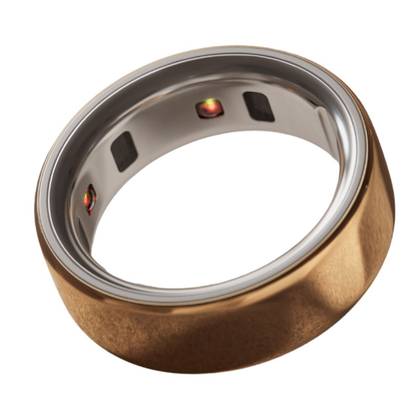
The Oura Ring 4 Ceramic
Best hardware yet

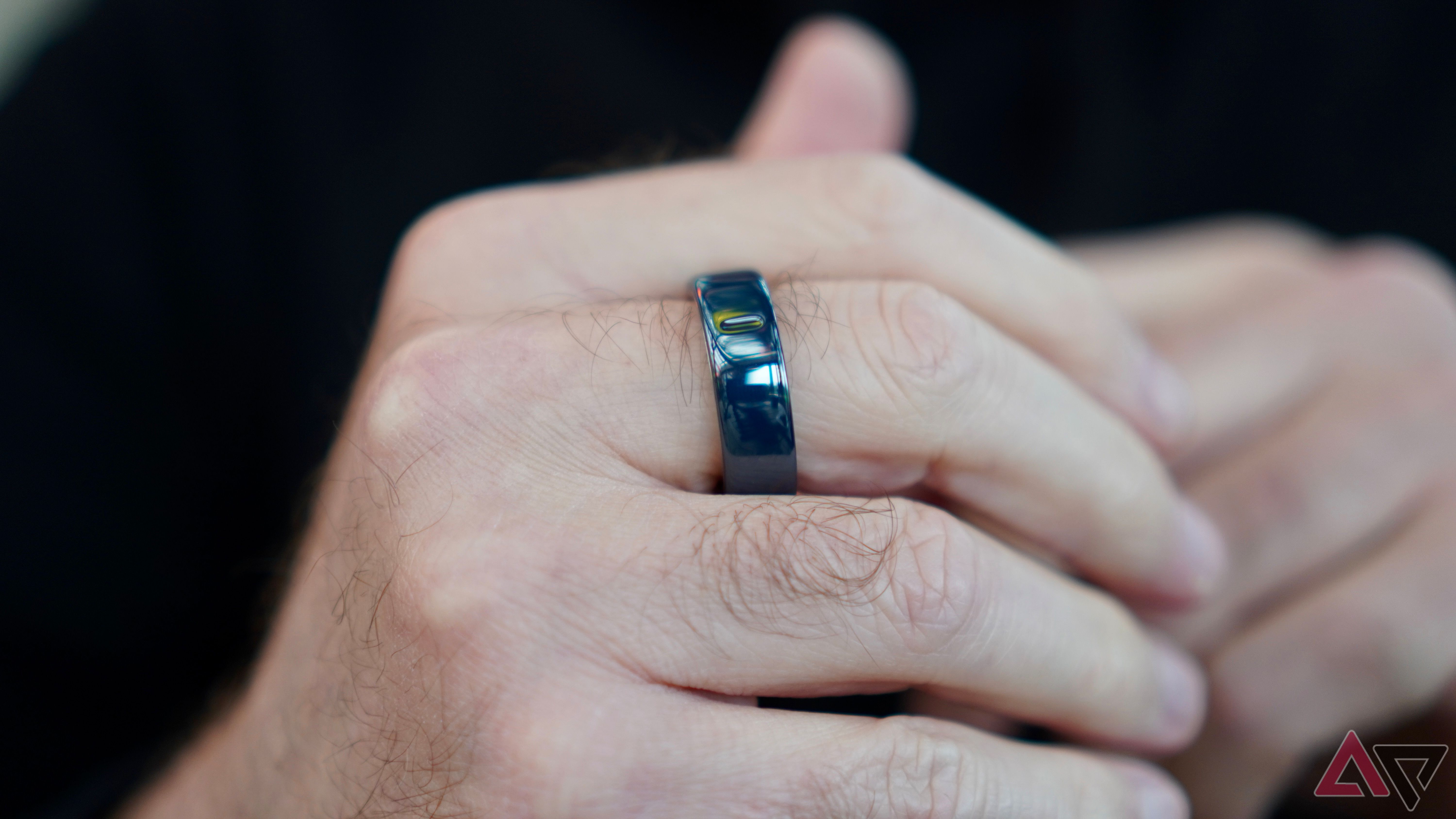
Previous titanium models were prone to scratches and scuffs, and the body rapidly picked them up and quickly spoiled the look.
The new Oura Ring 4 Ceramic has almost entirely cured this issue.
I wear my Oura Ring 4 Ceramic all day and night, only taking it off to shower. I'm now four months into continuous wear, and the smart ring still looks brand new, just as it did after two months.
My activities haven't changed from when I wore the titanium version, yet the ceramic model has stayed scratch-free.
Subscribe to our newsletter for Oura and smart-ring insights
Want clearer answers about whether the Oura Ring subscription is worth it? Subscribe to the newsletter for in-depth coverage of wearable subscription value, Oura app analytics, ceramic hardware durability, Labs features, and comparisons to subscription-free alternatives. Subscribe By subscribing, you agree to receive newsletter and marketing emails, and accept our Terms of Use and Privacy Policy. You can unsubscribe anytime.If you've been put off by reports of the Oura Ring 4 quickly losing its shine and newness, choose the ceramic version, as durability has been vastly improved.
I also think the ceramic model looks fantastic, and it's even more comfortable to wear than the titanium model.
An altogether tempting product
Provided you're happy to pay monthly

Add beautiful, more durable hardware to an app which combines a simple-to-use and understand interface, with the promise your subscription goes towards improving features and accuracy, and suddenly, $6 per month doesn't sound so terrible.
Still, it's all relative, and what's affordable to some may not be for others. However, we live in a time when subscriptions are getting harder to avoid, so ensuring you get the most for your money is imperative.
If you don't want to pay a subscription and still want a smart ring, Samsung's Galaxy Ring is the most easily accessible alternative in the US, and Samsung Health doesn't come with any extra costs.
However, the smart ring itself has not been treated to any hardware updates by Samsung.
RingConn's smart rings are also subscription-free, and available to buy in the US.
 Oura Ring 4
 8.5/10
Heart rate monitor
Yes
Notification support
No
Battery life
Up to 8 days
Sensors
Heart rate/HRV; blood oxygen; skin temperature; accelerometer
Water Resistance
Water-resistant to 100 m
Ring sizing
4 – 15
$349 at Oura
$349 at Amazon
$349 at Best Buy
Expand
Collapse
8.5/10
Heart rate monitor
Yes
Notification support
No
Battery life
Up to 8 days
Sensors
Heart rate/HRV; blood oxygen; skin temperature; accelerometer
Water Resistance
Water-resistant to 100 m
Ring sizing
4 – 15
$349 at Oura
$349 at Amazon
$349 at Best Buy
Expand
Collapse
-
 Smartwatches & Wearables
 The Wear OS apps I rely on every day (and why I always install them first)
 5 reasons why I never use a case on my phone
 I thought the CMF Watch Pro 3 would win me over — it didn’t