 Credit: Lucas Gouveia / Android Police

 By
Dhruv Bhutani
&
Jon Gilbert
Published Feb 2, 2026, 8:30 AM EST
Sign in to your Android Police account
Add Us On
Summary
Generate a summary of this story
follow
Follow
followed
Followed
Like
Like
Thread
Log in
Here is a fact-based summary of the story contents:
Try something different:
Show me the facts
Explain it like I’m 5
Give me a lighthearted recap
By
Dhruv Bhutani
&
Jon Gilbert
Published Feb 2, 2026, 8:30 AM EST
Sign in to your Android Police account
Add Us On
Summary
Generate a summary of this story
follow
Follow
followed
Followed
Like
Like
Thread
Log in
Here is a fact-based summary of the story contents:
Try something different:
Show me the facts
Explain it like I’m 5
Give me a lighthearted recap
As a child of the 90s, growing up bang in the middle of the cellphone and modern computing revolution, reading Asimov, watching Star Trek, and reruns of The Jetsons, I had certain expectations for the future.
Smart homes that did my bidding, palm-sized computers that were truly my own, and functional ecosystems that accurately responded to my voice or presence all felt right within the realm of possibility.
And for a time, we were heading towards that future.
But the 2010s have passed, and in the 2020s, we are left with the remains of an unfulfilled dream and electronics that respond to the whims, fancies, and ever-changing business decisions of corporations rather than the customers who've shelled out their hard-earned money.
What went wrong?
As an early adopter of smart home devices and someone who has invested a significant amount of money in building a fancy smart home, I feel cheated by the thousands of dollars I've spent on smart devices. And it's not a one-off.
 Related
The 3 best music streaming services that work with Google Home
Related
The 3 best music streaming services that work with Google Home
It's so nice when your smart speaker plays exactly what you want to hear
Posts By Jenny McGrathManufacturers are wresting control away from the consumer one update at a time
Killing basic features hurts customers and developers trying to improve the experience
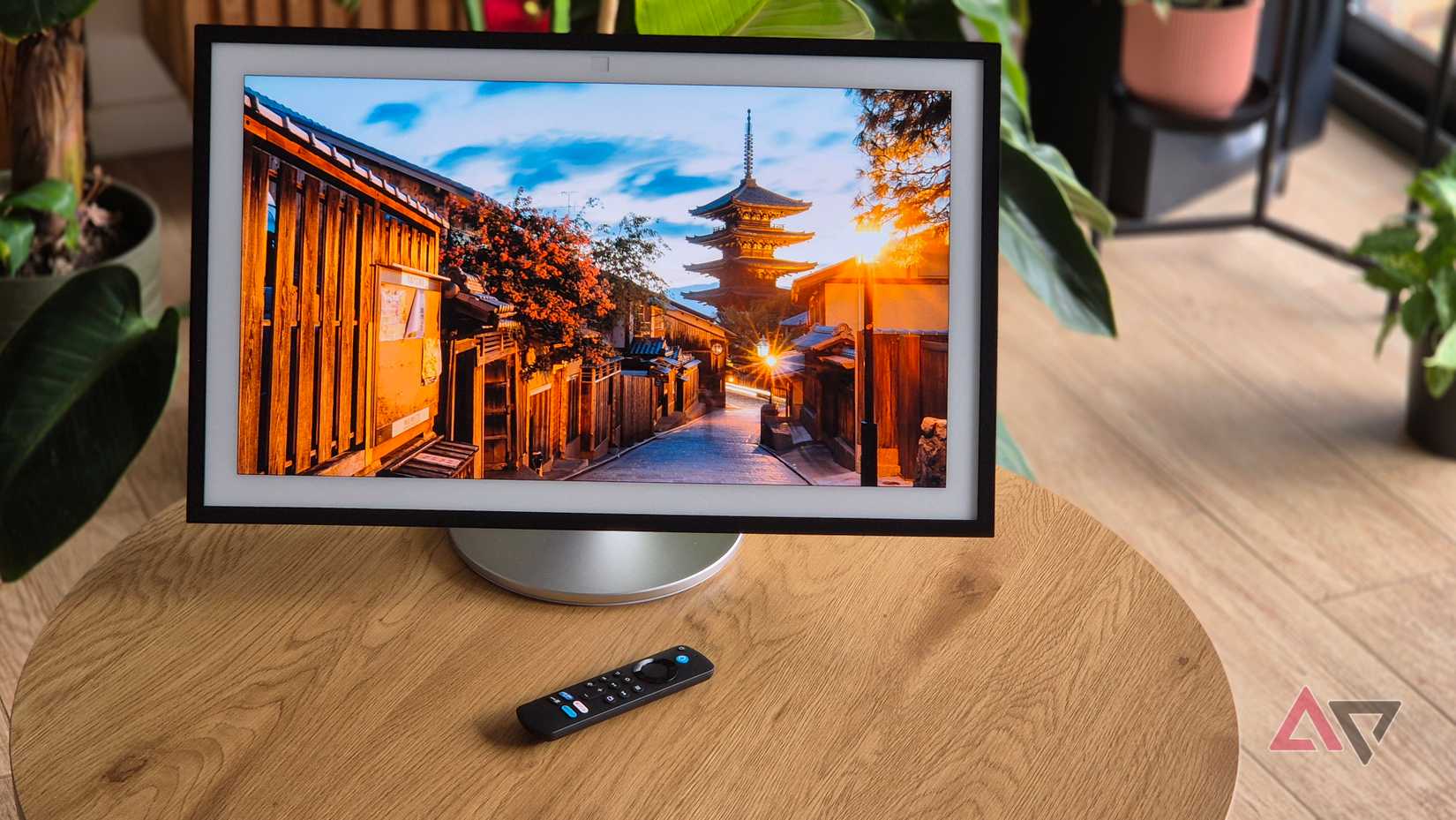
Amazon's recent move to block off local ADB connections on Fire TV devices is the latest example in a long line of grievances.
A brand busy wresting control from the consumer after it bought the product, the software update gimps a feature that's been on the hardware since it launched in 2014.
ADB-based commands let users take deep control of the hardware, and in the case of the Fire TV hardware, it can drastically improve the user experience.
Now, just to be clear, I'm aware that enthusiasts were using it to replace Amazon's full-screen video-playing, ad-ridden interface with a cleaner alternative home screen.
And yes, Amazon wants to protect its business interests, which makes complete sense. It uses the ads to subsidize the cost of the hardware.
However, I take offense to the ham-fisted implementation. Not only was the core feature deprecated, but developers were also given no heads-up to update any apps that relied on it.
Apps like cache cleaners and background process cleaning apps that can significantly speed up the Fire Stick have been left dead in the water with no recourse.
This wouldn't have been as big a deal if Amazon had done a bang-up job of keeping the Fire TV Stick speedy, but it didn't.
No smart home manufacturer is innocent of ruining our smart homes
Google's treatment of a television as a billboard is ridiculous
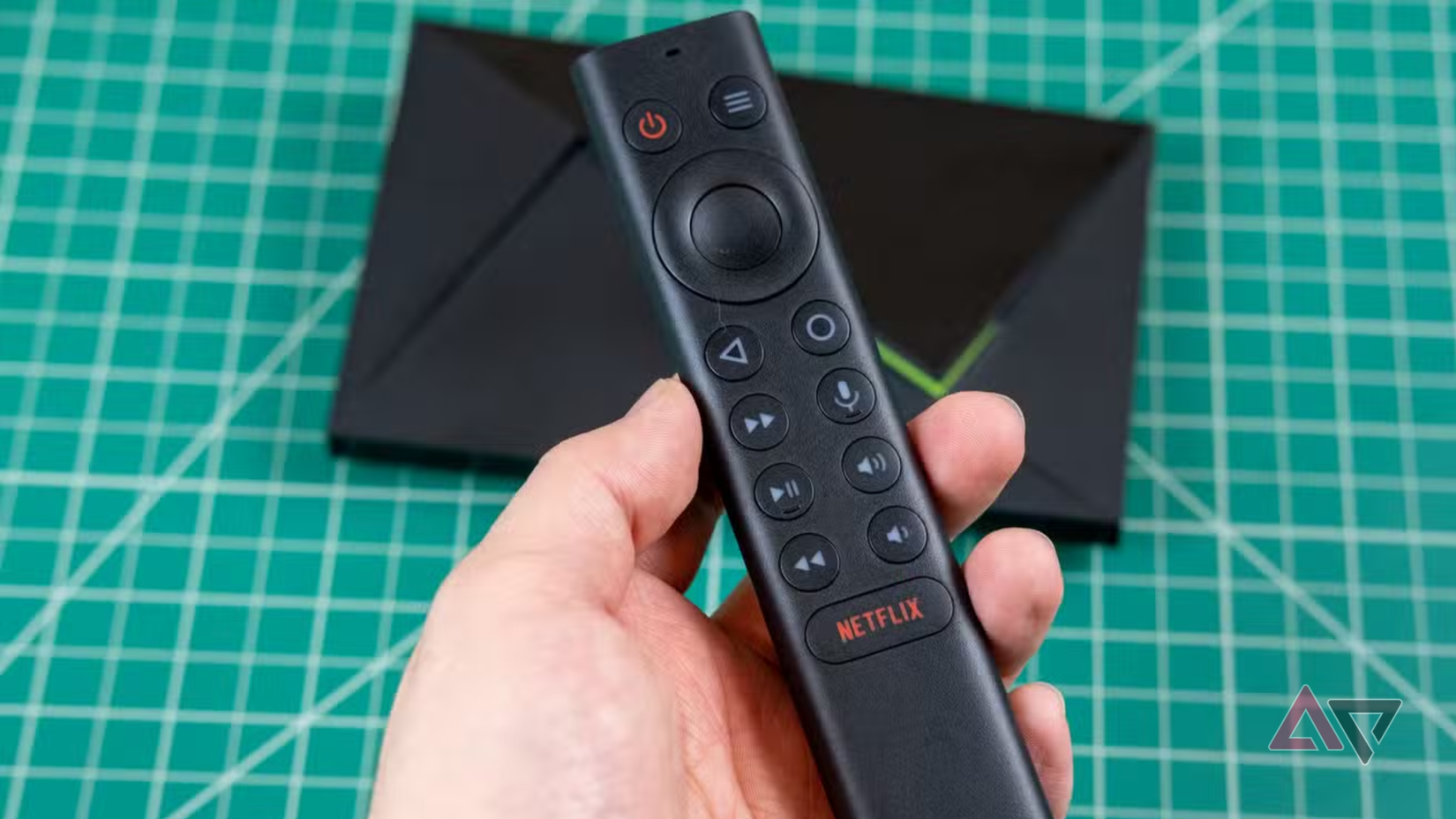
A few years ago, I decided to invest in the NVIDIA Shield. The premium streamer was marketed as a utopia for streaming online and offline sources with the ability to plug in hard drives, connect to NAS drives, and more.
At launch, it did precisely that while presenting a beautiful, clean interface that was a joy to interact with.
However, subsequent updates have converted what was otherwise a clean and elegant solution to an ad-infested overlay that I zoom past to jump into my streaming app of choice.
This problem isn't restricted to just the Shield. Even my Google TV running Chromecast has a home screen that's more of an advertising space for Google than an easy way to get to my content.
My television running Google TV makes the situation even more egregious. A $1,500 television that behaves like a 75-inch billboard.
I'm not unaware of the strategy to subsidize hardware through ads, but I've yet to see it reflected in my bank account.
In the case of the Shield, I paid close to $200 for the privilege of a premium experience. And, unlike say, a Kindle, where buyers can pay to remove ads, I was given no choice in the decision to ruin my entertainment experience.
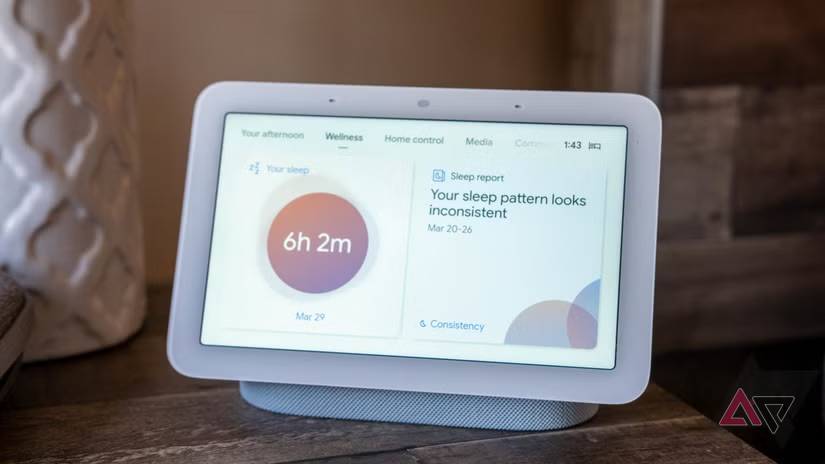
But why stop at streaming boxes? Google's Nest Hubs are equal victims of feature deterioration.
I've spent hundreds of dollars on Nest Hubs and outfitted them in most of my rooms and washrooms.
However, Google's consistent degradation of the user experience means I use these speakers for little more than casting music from the Spotify app.
The voice recognition barely works on the best of days, and when it does, the answers tend to be wildly inconsistent.
It wasn't always the case. At launch, Google's Nest speakers were some of the best smart home interfaces you could buy.
You'd imagine that the experience would only improve from there. That's decidedly not the case.
I had high hopes that the Fuchsia update would fix the broken command detection, but that's also not the case.
And good luck to you if you decide to invest in Google Assistant-compatible displays.
Google's announcement that it would no longer issue software or security updates to third-party displays like the excellent Lenovo Smart Display, right after killing the built-in web browser, is pretty wild.
It boggles my mind that a company can get away with such behavior.
Now imagine the plight of Nest Secure owners.
Subscribe for smart-home vendor insights and fixes
Join the newsletter for clear coverage of smart-home vendor moves, feature removals, and local-control alternatives—expert buying guidance and practical analysis to help you avoid costly, unsupported devices. Subscribe By subscribing, you agree to receive newsletter and marketing emails, and accept our Terms of Use and Privacy Policy. You can unsubscribe anytime.A home security system isn't something one expects to switch out for many, many years. And yet, Google decided to kill the Nest Secure home monitoring solution merely three years after launching the product range.
While I made an initial investment in the Nest ecosystem, I've since switched to a completely local solution that is entirely under my control, stores data locally, and won't go out of action because of bad decision-making by another company.
Seeking local control and professional solutions is the answer
It's clear to me that, as they stand, smart home devices are proving to be inferior investments for consumers.
Matter is expected to solve this with cross-compatibility and relative future-proofing. But the sluggish rollout of matter-compatible devices doesn't give me much hope.
Additionally, the standard itself doesn't support the wide variety of use cases that I need to retrofit my smart home.
 Related
3 reasons I'm done wasting my money on smart TVs
Related
3 reasons I'm done wasting my money on smart TVs
The all-in-one solution is great in theory, but there are some flaws
Posts 34 By Chris WedelMoreover, you know what they say. Once bitten, twice shy.
Over the last year, I've been working towards moving my entire smart home to local control.
As alternatives like Home Assistant keep improving, it's become far easier to find devices that play nice with it, and where the manufacturers don't step up, the community has stepped in.
Similarly, much as I enjoy the benefits of an ecosystem, I've been looking at products that focus more on the experience than gimmicks or sheer affordability. In the case of streaming entertainment, that is, for better or worse, an Apple TV.
Suffice it to say that I've paused any future investments in smart devices, and I'll be taking a long and hard look at a company's treatment of its current portfolio before splurging out more cash. I'd recommend you do the same.
Follow Followed Like Share Facebook X WhatsApp Threads Bluesky LinkedIn Reddit Flipboard Copy link Email Close Trending Now Google Home outage knocks smart lights and switches offline
Google Home just unlocked a whole new level of automation
Google Home outage knocks smart lights and switches offline
Google Home just unlocked a whole new level of automation
 3 ways to unlock an LG smart TV's secret menus and how to use them